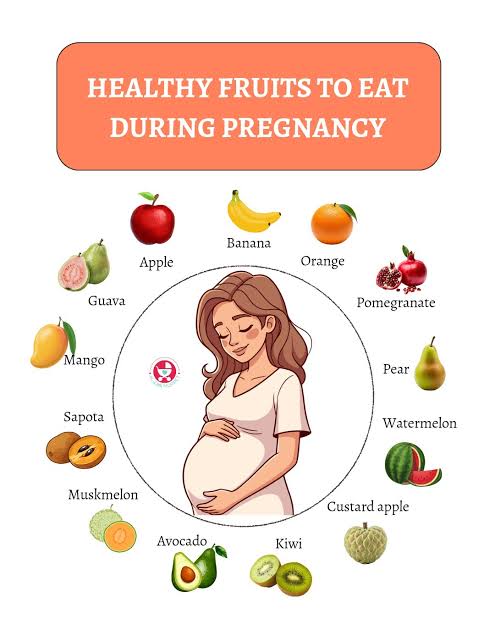

Pomegranate During Pregnancy: Benefits for Mom and Baby
Pomegranate is a delicious fruit packed with vitamins, minerals, fiber, and antioxidants. During pregnancy, eating a balanced diet that includes nutrient-rich fruits can help support the mother’s overall health and provide important nutrients for the developing baby.
But what are the potential benefits of pomegranate during pregnancy? Here’s what pregnant women should know about this nutritious fruit.
Is Pomegranate Good During Pregnancy?
Yes. Pomegranate can be included in a healthy pregnancy diet for most women. The fruit contains antioxidants, vitamin C, vitamin K, potassium, folate, and other nutrients that contribute to overall health.
However, pomegranate should be considered part of a balanced diet rather than a treatment for pregnancy complications.
1. Provides Important Antioxidants
Pomegranate is particularly rich in antioxidant compounds, including polyphenols. Antioxidants help protect cells from oxidative stress and support overall health.
A diet containing a variety of antioxidant-rich fruits and vegetables can be a valuable part of healthy eating during pregnancy.
2. Supports the Immune System
Pomegranate contains vitamin C, an essential nutrient that contributes to normal immune function. Vitamin C also helps the body absorb iron from plant-based foods.
Getting enough vitamin C during pregnancy is important for both maternal health and normal tissue development.
3. Helps Support Healthy Iron Intake
Iron requirements increase during pregnancy because the body needs to produce more blood to support the growing baby.
Although pomegranate contains some iron, it should not be considered a major treatment for iron-deficiency anemia. Pregnant women with low iron levels should follow their healthcare provider’s advice and may need an iron supplement.
Pairing vitamin-C-rich foods such as pomegranate with plant sources of iron may help improve iron absorption.
4. Contains Vitamin K
Pomegranate provides vitamin K, a nutrient involved in normal blood clotting and bone health.
Vitamin K is needed throughout life, including during pregnancy, as part of a nutritious and varied diet.
5. Provides Potassium
Pomegranate contains potassium, an essential mineral that supports normal muscle function, nerve function, and fluid balance.
Maintaining adequate potassium intake can be especially important during pregnancy when nutritional needs change.
6. Supports a Healthy Diet for Baby’s Development
Pomegranate provides several nutrients and plant compounds that can contribute to an overall healthy pregnancy diet.
However, no single fruit can provide everything a developing baby needs. Pregnant women should aim for a varied diet containing fruits, vegetables, whole grains, protein sources, dairy or suitable alternatives, and healthy fats.
7. May Support Digestive Health
Whole pomegranate arils contain dietary fiber. Fiber is an important part of a healthy pregnancy diet and can help support normal digestion.
For women who experience constipation during pregnancy, increasing fiber gradually while drinking enough fluids may be helpful.
8. May Benefit Skin Health
Vitamin C plays an important role in collagen production and normal skin health. Since pomegranate contains vitamin C and antioxidant compounds, including it as part of a balanced diet can contribute to overall nutritional support for healthy skin.
It should not, however, be viewed as a specific treatment for pregnancy-related skin or hair changes.
Can Pregnant Women Drink Pomegranate Juice?
Pomegranate juice can be consumed during pregnancy, but choosing pasteurized juice is important for food safety.
Whole pomegranate is often a better choice because it provides dietary fiber and requires chewing, which can make it more filling. When drinking juice, watch portion sizes because fruit juice can contain a significant amount of natural sugar.
Avoid unpasteurized juices during pregnancy because they may carry harmful bacteria.
How Much Pomegranate Can You Eat During Pregnancy?
There is no universal pregnancy-specific amount of pomegranate that every woman should eat. A reasonable serving can be included as part of your normal daily fruit intake.
You can enjoy pomegranate arils on their own or add them to:
– Yogurt
– Oatmeal
– Salads
– Smoothies
– Whole-grain breakfast bowls
– Homemade fruit dishes
Important Safety Tips
Pomegranate is generally considered a nutritious fruit, but pregnant women should follow normal food-safety precautions.
Wash fresh fruit thoroughly before eating it, and choose pasteurized pomegranate juice if you drink juice.
If you have gestational diabetes, blood sugar concerns, allergies, or another pregnancy-related medical condition, ask your doctor or dietitian how pomegranate fits into your diet.
Bottom Line
Pomegranate during pregnancy can be a nutritious addition to a balanced diet. It provides antioxidants, vitamin C, vitamin K, potassium, fiber, and other beneficial plant compounds.
However, pomegranate should not be used as a treatment or prevention for pregnancy complications such as anemia, premature labor, or cesarean delivery. A varied diet and regular prenatal care are much more important for supporting a healthy pregnancy.
If you are pregnant and have specific concerns about your diet, supplements, or your baby’s development, speak with your obstetrician or qualified healthcare professional.





Leave a comment